

Drone photography has transformed the art of capturing images, offering breathtaking aerial views once limited to helicopters. With drones becoming more accessible, photographers can now explore diverse perspectives and high-quality imagery. From selecting the right drone to mastering techniques and post-processing, it's important to understand the essentials of drone photography.
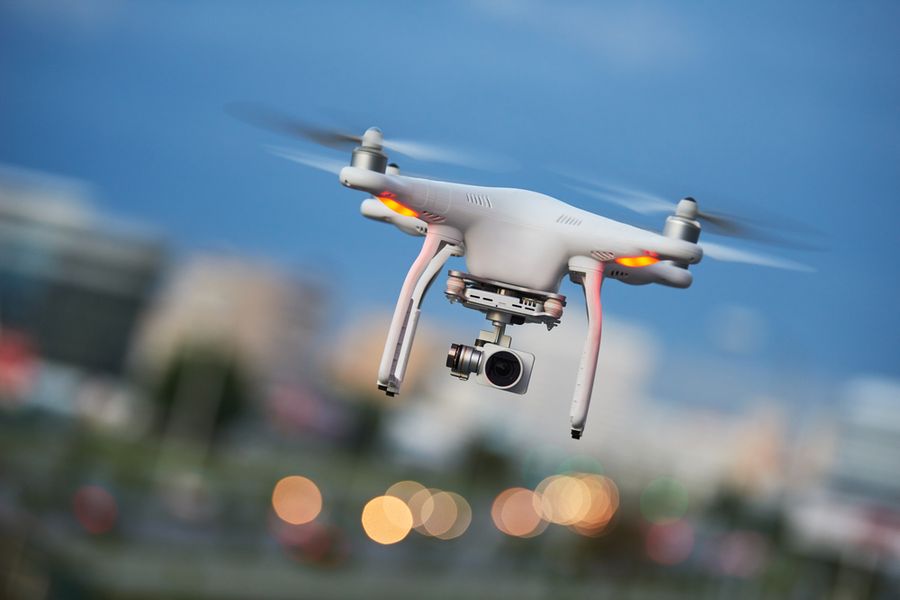
The Rise of Drone Photography
Drone photography has revolutionized the way images are captured, offering unique perspectives that were once only possible with helicopters or planes. The accessibility and affordability of drones have made aerial photography a popular choice for both amateur and professional photographers. With advancements in drone technology, capturing high-quality images from the sky has become more feasible and exciting than ever before.
Choosing the Right Drone for Photography
When selecting a drone for photography, it's essential to consider the specific needs and preferences of the photographer. The DJI Mini 5 Pro is an excellent budget option, offering features like RAW image support and a 1-inch sensor, making it ideal for those who prioritize image quality without breaking the bank ( source ).
For those seeking a more versatile option, the DJI Air 3S provides extended battery life and improved obstacle avoidance, making it a great all-rounder. On the premium end, the DJI Mavic 4 Pro offers high-end features such as a 25-megapixel camera and excellent stability, though it comes with a higher price tag and may require additional certifications ( source ).
Mastering Drone Photography Techniques
To capture stunning drone shots, understanding camera settings and techniques is crucial. Beginners and experienced photographers alike can benefit from mastering camera variables, such as image resolution and capture rate, to achieve the desired quality.
Techniques like the Pull-Away Shot and Fly-Up-Tilt-Down Shot can enhance the visual appeal of drone footage. Additionally, using Tripod Mode can provide enhanced control and smooth motion, which is particularly useful for filming close to the ground or indoors ( source ).
Post-Processing for Drone Photography
Post-processing is an integral part of drone photography, allowing photographers to enhance their images further. Techniques such as white balance adjustments, eliminating fisheye distortion, and color toning can significantly improve the final output.
Software like Lightroom and Photoshop are invaluable tools for merging HDR images and applying luminosity masking to blend exposures seamlessly. These skills are essential for elevating the quality of drone photography and achieving a natural look in the images ( source ).
Legal and Safety Considerations
Operating drones for photography requires adherence to legal and safety guidelines. It's crucial to comply with local regulations, obtain necessary licenses, and follow safety protocols to ensure responsible and compliant operations.
Maintaining a respectful distance from people and flying discreetly can help avoid unnecessary attention and ensure a positive experience. These considerations are vital for both personal safety and the protection of others in the vicinity.
Why You Should Learn More About Drone Shots
Drone photography offers a unique and captivating way to capture the world from above, providing perspectives that are both breathtaking and informative. As technology continues to advance, the possibilities for drone photography are expanding, making it an exciting field for exploration and creativity.
Whether for personal enjoyment or professional use, understanding the intricacies of drone operation, photography techniques, and post-processing can significantly enhance the quality and impact of aerial images. Embracing this innovative approach to photography can open up new opportunities for storytelling and visual expression.