

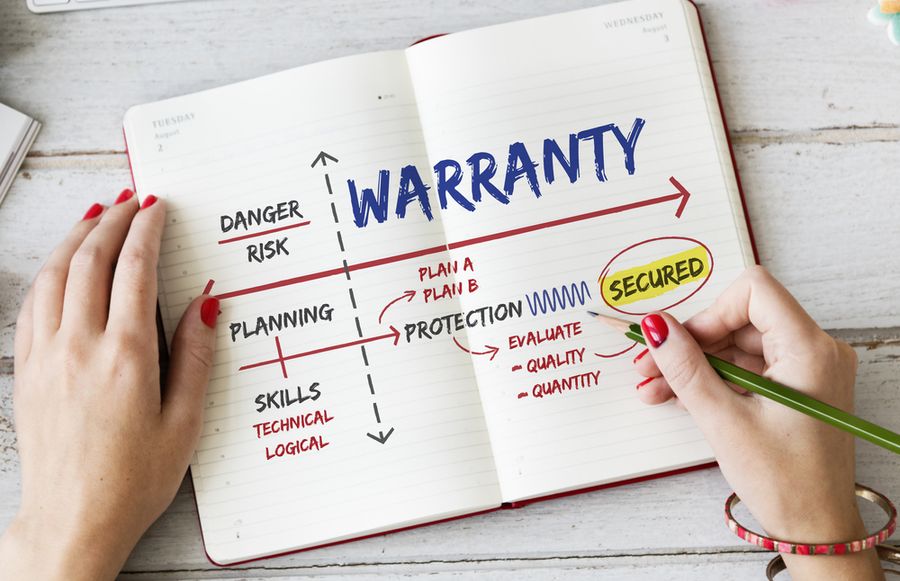
Warranties and extended protection plans can offer valuable peace of mind when purchasing electronics, appliances, and everyday household items. Clear expectations about coverage help shoppers feel confident about long-term reliability. Standard protections often safeguard against early defects, while extended options can add support for unexpected repairs. Making sense of the available choices allows consumers to protect their budgets more effectively. With a thoughtful approach, warranty decisions become easier to navigate and more aligned with personal needs.
What Standard Warranties Normally Cover
Standard warranties provide basic protection offered directly by the manufacturer. This coverage typically includes defects in materials or workmanship that appear within a specific period , often ranging from several months to a full year. Manufacturers rely on these warranties to reassure buyers that products are built to a dependable standard. When something goes wrong within that timeframe, repairs or replacements are usually handled at no cost.
However, warranty coverage has limits. Most standard warranties do not include accidental damage, misuse, or wear from regular use. Understanding the boundaries of coverage prevents confusion and sets realistic expectations. Reading the terms carefully helps shoppers feel prepared should an issue arise. With a solid grasp of what is included, it becomes easier to decide whether additional protection is worthwhile.
When an Extended Protection Plan May Be Worth Considering
Extended protection plans offer optional coverage designed to support a product beyond its original warranty period. Some plans include repairs for mechanical issues, while others cover accidental drops, spills, or power surges. Extended support can be appealing when purchasing high-cost items where repairs might be expensive. The added time and broader benefits give many consumers a sense of security.
The value of a protection plan depends on usage patterns and the item’s expected lifespan. If a device is used daily or frequently travels, added coverage may bring extra reassurance. Products with high repair costs or complex parts may also benefit from extended protection. By weighing potential risks against plan costs, shoppers can determine whether the investment makes financial sense.
Comparing Coverage Levels and Limitations
Protection plans vary widely, making comparisons an important step. Some plans focus on mechanical failures, while others include coverage for accidental damage or environmental issues. Understanding what triggers a claim ensures the plan aligns with personal needs. Details such as deductibles, service fees, and replacement policies all influence the overall value.
Limitations can significantly affect the usefulness of a plan . Certain issues may be excluded, such as cosmetic damage or failures caused by unauthorized repairs. Reading the fine print helps avoid surprises and clarifies what to expect in the event of a malfunction. When coverage feels transparent and fair, consumers feel more confident about their purchase.
Evaluating the Cost Versus the Likely Benefit
The cost of extended protection plans varies based on the item, coverage length, and included services. Some plans offer strong value, especially when repair costs are known to be high. Others may feel unnecessary if the item is inexpensive or unlikely to need service. Comparing plan price to potential repair expenses helps determine overall value.
It’s also important to consider how long the product will be used. If an item is likely to be replaced within a short period, extended protection may not offer meaningful benefit. On the other hand, durable items typically used for many years might warrant extra support. By combining practical reasoning with personal comfort levels, shoppers can make a balanced decision.
Understanding Service Processes and Claim Experiences
The ease of filing a claim can greatly influence satisfaction with a protection plan. Well-managed programs provide quick service, clear instructions, and accessible customer support. Some plans offer mail-in repairs, while others allow in-store service or send replacements directly. A smooth process creates a sense of reliability when issues arise.
Claim limitations, processing times, and documentation requirements all impact the overall experience. Checking reviews or asking questions ahead of time helps clarify how a provider handles repairs. A plan that combines useful coverage with positive service support typically delivers the best long-term value. When customers know what to expect, the experience becomes far less stressful.
Making Confident, Well-Informed Protection Choices
Understanding warranty options becomes simpler with clear expectations and thoughtful comparison. Standard protections offer a dependable foundation, while extended plans may add value for certain products or lifestyles. Careful evaluation of coverage, cost, and reliability helps shoppers make choices that support both their budget and peace of mind. Over time, informed decisions lead to a smoother and more confident shopping experience.