

Rural lifestyle and culture offer a unique tapestry of traditions, community values, and a deep connection to the land, contrasting sharply with urban living. Such a way of life is reflected in cultural practices and community dynamics, presenting both challenges and opportunities. Understand the essence of rural living to uncover its significance and potential for sustainable growth.
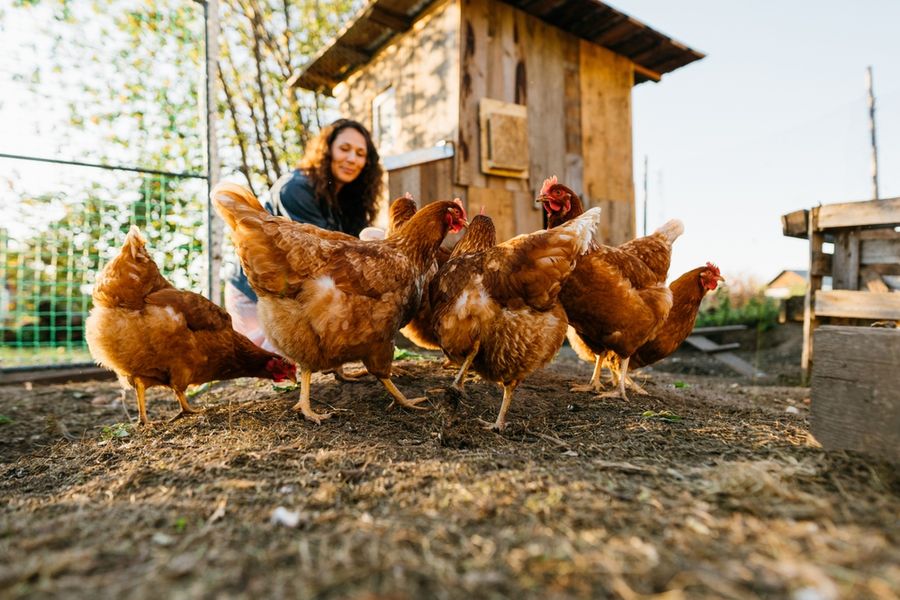
The Essence of Rural Lifestyle and Culture
Rural lifestyle and culture are deeply rooted in traditions and community values that have been passed down through generations. These communities, often characterized by their small populations and expansive landscapes, offer a unique way of life that contrasts sharply with urban living.
The rural lifestyle is not just about living in the countryside; it embodies a set of values and practices that emphasize community, sustainability, and a deep connection to the land. This lifestyle is reflected in various cultural practices, from traditional crafts to local festivals, which play a crucial role in maintaining the cultural identity and resilience of rural communities ( source ).
Rural Cultural Heritage and Its Significance
Rural cultural heritage is a dynamic and evolving entity that encompasses both tangible and intangible elements. It includes architecture, landscapes, local dialects, songs, and traditions that are unique to countryside communities. These elements are interconnected, with traditional building techniques often utilizing local materials and social customs influencing resource management.
The preservation of rural cultural heritage is crucial for maintaining community resilience, promoting sustainable livelihoods, and safeguarding cultural diversity. It requires a balance between modernization and the retention of traditional practices and knowledge systems ( source ).
The Role of Community in Rural Areas
In rural communities, a strong sense of community is prevalent, where residents often know each other, fostering friendlier relationships compared to urban areas. Manners and social values are important, with an emphasis on building relationships with neighbors and participating in local events. Life in rural areas is generally slower-paced, allowing residents to enjoy spontaneous interactions with friends and neighbors.
This lifestyle aligns with the serene and rolling countryside that surrounds these communities. While rural areas may lack access to large stores and healthcare facilities, they boast unique local businesses that contribute to the community's economy and foster personal connections between customers and business owners ( source ).
Challenges and Opportunities in Rural Living
Rural areas face several challenges, including limited access to telecommunications and healthcare facilities. However, these challenges also present opportunities for growth and innovation. The rural economy is diversifying beyond farming, with recreation, amenity, and retirement opportunities gaining prominence.
There is also a rise in foreign-born populations in rural areas, contributing to modest increases in racial diversity and affecting employment trends. Organizations launching national ventures should consider rural values and cultural traditions, as well as demographic and economic trends, to effectively engage with rural communities ( source ).
Learn More About Rural Lifestyle and Culture
Understanding rural lifestyle and culture is essential for appreciating the diverse ways of life that exist within a country. These communities offer valuable lessons in sustainability, community interdependence, and a deep connection to nature. By learning more about rural traditions and practices, individuals can gain insights into sustainable living and the importance of preserving cultural heritage.
Moreover, recognizing the challenges and opportunities in rural areas can inform policy responses and support efforts to enhance community resilience and economic vitality. Embracing the richness of rural culture can lead to a more inclusive and culturally rich future.