

The Woodstock Music and Arts Fair of 1969 stands as a defining moment in cultural history, transcending its initial scope to become a symbol of the 1960s counterculture movement. With legendary performances and a vibrant atmosphere, Woodstock's legacy continues to inspire, offering insights into the era's social shifts and its lasting impact on music and society.
The Legacy of Woodstock: A Cultural Phenomenon
The Woodstock Music and Arts Fair, held from August 15-18, 1969, in Bethel, New York, stands as a monumental event in music history. Originally planned as a three-day festival, it transformed into a historic cultural phenomenon that defined the Summer of Love.
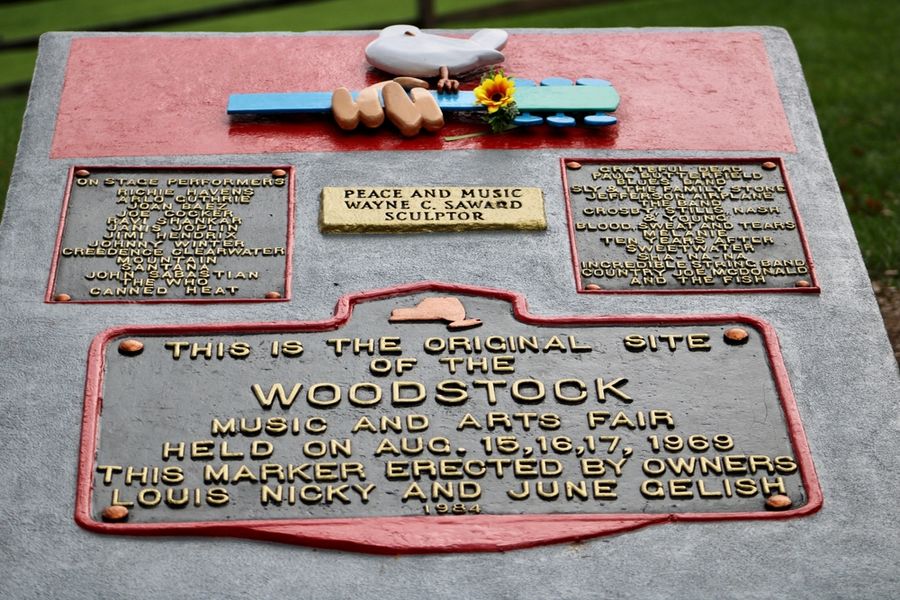
The festival attracted over 400,000 attendees, far exceeding the initial estimate of 50,000, making it one of the largest gatherings of its time ( source ). The event featured performances from 32 iconic acts, including Jimi Hendrix, Janis Joplin, The Who, and Carlos Santana, cementing its place as a pivotal moment in rock music history ( source ).
Iconic Performances and Memorable Moments
Woodstock is remembered for its legendary performances and the powerful images captured during the event. Jimi Hendrix's rendition of "The Star-Spangled Banner" is one of the most memorable moments, celebrated for its unorthodox yet beautiful delivery ( source ).
Joan Baez, six months pregnant at the time, closed out the first night with a historic performance, reflecting her activism and the cultural significance of the festival. Richie Havens opened the festival with an extended set, improvising the song "Freedom," setting the tone for the communal and expressive nature of Woodstock ( source ).
The Visual Documentation of Woodstock
A collection of photos from the 1969 Woodstock festival captures the essence of the event, showcasing the diverse crowd, vibrant performances, and unique atmosphere. These images include scenes of festival-goers camping, traveling to the event, and enjoying the music, as well as performances by legendary artists like Richie Havens, Joan Baez, and Jerry Garcia ( source ).
The photos also highlight the cultural and social aspects of Woodstock, such as the anti-war slogans displayed by attendees and the communal spirit that defined the festival. This visual documentation serves as a valuable resource for understanding the cultural impact of Woodstock.
The Cultural Impact and Legacy of Woodstock
Woodstock's legacy is commemorated at the Bethel Woods Center for the Arts, built on the original site, preserving the memory of the festival's impact on music and culture in the 1960s ( source ).
The festival's association with free-spiritedness and the counterculture movement of the 1960s is evident in the photos and stories that continue to inspire generations. The images from Woodstock not only document the event but also serve as a testament to the era's counterculture movement and the festival's enduring legacy.
Why You Should Learn More About Woodstock Today
Woodstock remains a symbol of peace, love, and music, representing a pivotal moment in cultural history. The festival's impact on music, culture, and society continues to resonate today, making it a subject worth exploring.
The iconic performances, powerful images, and the festival's role in shaping the counterculture movement of the 1960s offer valuable insights into a transformative period in history. Understanding Woodstock's legacy provides a deeper appreciation for the cultural shifts that have influenced modern music and social movements.